


Sleep Dentistry / Dental Sleep Medicine
Sleep dentistry at Chestnut Hill Dentistry focuses on the diagnosis and treatment of sleep-related breathing disorders, including snoring and obstructive sleep apnea (OSA). Our approach integrates general dentistry, airway-focused orthodontics, and collaborative medical partnerships to improve sleep quality, oral health, and overall wellness.
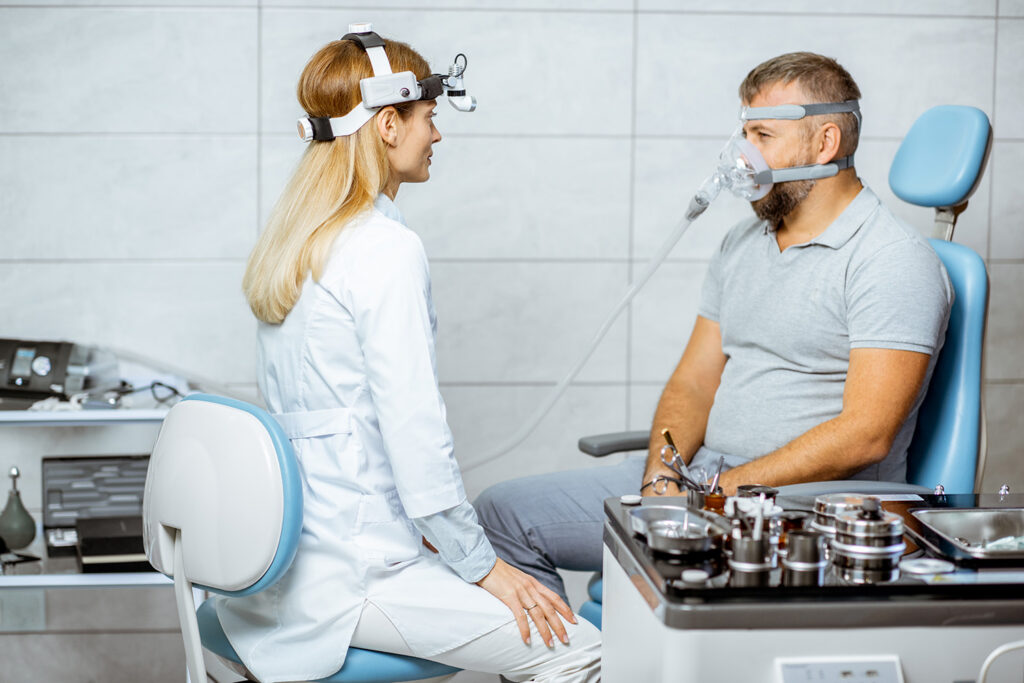
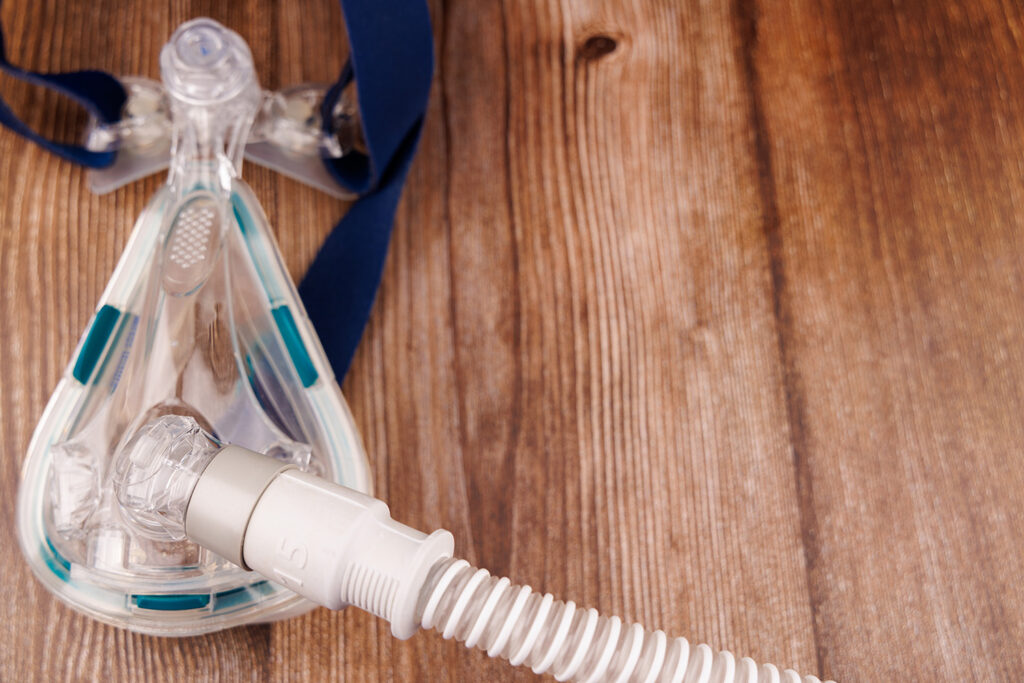
Many patients are unaware that dentists play a critical role in sleep health. Oral appliance therapy, airway assessments, and collaborative care with sleep physicians allow us to provide non-invasive, effective treatment options for patients who struggle with CPAP therapy or seek alternative solutions.
We begin with a comprehensive airway and oral health evaluation, including digital imaging and bite analysis. We can design custom oral appliances that reposition the jaw and tongue to maintain an open airway during sleep. This approach improves oxygenation, reduces snoring, and enhances sleep quality.
At Chestnut Hill Dentistry, sleep dentistry is part of our whole-body philosophy. We recognize the connection between sleep, oral health, cardiovascular health, and overall wellness. Our relationship-based model ensures ongoing monitoring, adjustments, and coordination with medical providers.
What Sets Our Sleep Dentistry Apart
- Collaborative dental and medical approach to sleep health
- Advanced airway assessment and digital diagnostics
- Custom-fabricated oral sleep appliances
- Long-term monitoring and adjustment protocols
- A holistic, wellness-centered care philosophy